
What Is a Section 125 Plan? Cafeteria Plan Guide for Employers
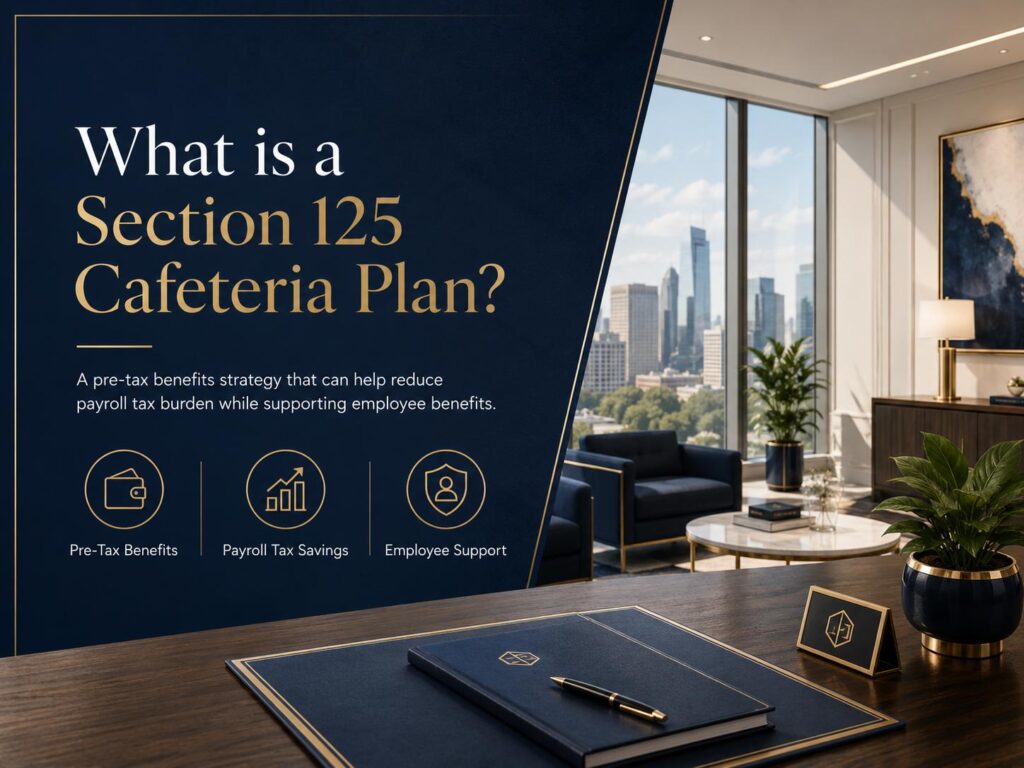
A Section 125 plan, also known as a cafeteria plan, allows employees to pay for certain eligible benefits with pre-tax dollars. For employers, this can create meaningful payroll tax savings while giving employees access to better benefit value.
For many W-2 employers, a basic cafeteria plan may be a useful starting point. But for companies focused on stronger employer payroll tax savings, FICA tax savings, supplemental health benefits, employee wellness benefits, and workforce cost reduction, Section 125 may also serve as the foundation for a more advanced benefits savings strategy.
The key is understanding the difference between a basic cafeteria plan and a broader cafeteria 125 plan-based benefits structure.
What Is a Section 125 Plan?
A Section 125 plan is an employer-sponsored benefit arrangement that allows employees to choose between taxable wages and qualified pre-tax benefits.
These plans are called “cafeteria plans” because employees may choose from different benefit options, similar to selecting items from a menu. Instead of paying for eligible benefits with after-tax income, employees can use pre-tax payroll deductions.
This can lower taxable wages for participating employees and reduce certain employer payroll tax obligations.
How a Cafeteria Plan Works
Under a Section 125 cafeteria plan, eligible employees make benefit elections during enrollment. Once they choose their benefits, payroll deductions are taken before certain taxes are applied.
This can reduce:
• Employee taxable income
• Employer FICA tax exposure
• Payroll-related costs tied to eligible pre-tax deductions
• The after-tax cost of selected benefits for employees
The specific savings depend on the plan design, employee participation, payroll structure, and which benefits are included.
Common Section 125 Plan Options
Not every cafeteria plan is built the same way. Employers may evaluate different options based on company size, workforce needs, and savings goals.
Premium Only Plan
A Premium Only Plan allows employees to pay their share of eligible insurance premiums with pre-tax dollars. This is one of the most basic forms of a Section 125 plan.
It may cover items such as:
• Medical premiums
• Dental premiums
• Vision premiums
A Premium Only Plan can be useful, but it may not capture the full savings opportunity available through a broader benefits structure.
Flexible Spending Accounts
Flexible Spending Accounts allow employees to set aside pre-tax money for eligible expenses.
Common examples include:
• Health FSA expenses
• Dependent care expenses
• Certain qualified medical costs
FSAs can add value for employees, but they require proper enrollment, documentation, and administration.
Full Cafeteria Plans
A full cafeteria plan may combine several qualified benefit options into one structure. This can give employees more flexibility and help employers create a more complete benefits offering.
Depending on the plan design, this may include:
• Health-related benefits
• Dental and vision options
• Flexible spending accounts
• Dependent care assistance
• Other qualified benefit elections
Why Section 125 Plans Matter for Employer Payroll Tax Savings
The biggest employer-side benefit of a Section 125 plan is payroll tax savings.
When employee contributions are made pre-tax, taxable wages may be reduced. Lower taxable wages can reduce employer payroll taxes, including FICA taxes, when the plan is properly structured and administered.
For employers with strong employee participation, these savings can become meaningful over time.
A Section 125 plan may support:
• Employer payroll tax savings
• FICA tax savings
• Payroll tax reduction opportunities
• Better employee benefit value
• Stronger employee retention
• More competitive compensation planning

Basic Cafeteria Plan vs. Advanced Section 125-Based Strategy
A basic cafeteria plan can help employers create savings through pre-tax deductions. However, not every employer should stop at the basic version.
Some employers may benefit from evaluating a more advanced Section 125-based benefits package that includes supplemental health benefits, employee wellness benefits, and additional IRS-recognized benefit provisions.
This type of broader structure may help employers create a stronger benefits strategy while supporting larger eligible payroll tax savings opportunities.
The right approach depends on:
- Number of W-2 employees
- Payroll size
- Employee participation potential
- Current benefits structure
- Employer savings goals
- Workforce retention needs
- Administrative readiness
This is why Section 125 planning should not be treated as one-size-fits-all.
Employee Benefits and Take-Home Pay Value
Section 125 plans can also create employee-side value.
When employees pay for eligible benefits with pre-tax dollars, they may reduce taxable income and improve their net pay position. Employees may also gain access to benefits that support healthcare, family needs, and financial stability.
For employers, this can improve the overall value of the compensation package without necessarily increasing base wages.
A stronger benefits structure may help with:
- Employee satisfaction
- Retention
- Recruiting competitiveness
- Workforce morale
- Benefit participation
- Financial wellness
Compliance Considerations for Employers
Section 125 plans must be structured and administered correctly. Employers generally need a written plan document, clear eligibility rules, proper election procedures, payroll coordination, and required compliance testing where applicable.
Important compliance areas may include:
- Written plan documentation
- Employee eligibility rules
- Enrollment and election procedures
- Qualifying life event rules
- Payroll deduction accuracy
- Nondiscrimination testing
- Recordkeeping
- Coordination with qualified benefits
Employers should work with qualified benefits, payroll, legal, or tax professionals when implementing and maintaining a Section 125 plan.
Does a Section 125 Plan Make Sense for Your Business?
A Section 125 plan may be a strong fit for employers that want to reduce payroll taxes while improving employee benefits.
It may be especially relevant for companies that:
- Have W-2 employees
- Want employer payroll tax savings
- Want to reduce FICA tax exposure
- Want to improve benefits without simply raising wages
- Want to evaluate supplemental health benefits
- Want to strengthen employee retention
- Want to compare basic and advanced cafeteria plan options
- The best plan is not always the most basic plan. For some employers, a standard cafeteria plan may be enough. For others, a more advanced Section 125-based benefits strategy may create stronger savings opportunities and better benefit value.

How Employer Benefits Plan Helps
Employer Benefits Plan helps W-2 employers compare Section 125 plans, cafeteria plan options, and advanced benefit structures designed to support eligible employer payroll tax savings.
EBP helps employers evaluate whether a basic cafeteria plan is sufficient or whether a more advanced Section 125-based benefits package with supplemental health benefits, employee wellness benefits, and IRS-recognized benefit provisions may better fit the company’s savings goals.
Because every workforce is different, EBP helps employers compare options based on company size, payroll structure, workforce needs, savings goals, and desired benefit value.
Final Thoughts
A Section 125 cafeteria plan can be a valuable tool for employers seeking payroll tax savings and stronger employee benefits. But the biggest opportunity may come from evaluating the right structure for the business.
Some employers may only need a basic cafeteria plan. Others may benefit from a more advanced Section 125-based benefits package that includes supplemental health benefits, employee wellness benefits, and additional IRS-recognized benefit provisions.
For employers focused on payroll tax savings, FICA tax savings, employee retention, and benefits optimization, the right plan design can make a meaningful difference.
Disclaimer: This article is for informational purposes only and should not be considered legal, tax, financial, or benefits administration advice. Employers should consult qualified legal, tax, payroll, and benefits professionals regarding their specific situation and compliance obligations.